Posts

7 Land Surveying Myths and Misconceptions Debunked

Image
Land surveying is a complicated business, and for that reason there are quite a few misconceptions about what it is and why people need it. If you are considering whether to have a land survey done on your property (or property you plan to buy), chances are you have fallen prey to one or more of these myths, which have the potential to steer you wrong. To help you out, here is the truth about 7 common surveying myths: MYTH 1: Land surveys aren’t necessary if you can find the survey stakes. If you located the survey stakes from a previous survey, all you know is that there was a previous surveyor who might have determined that this location was on the edge of the property; that doesn’t mean the survey is accurate, or that you’ve actually found your property line. A professional land surveyor can tell you if what you’ve found is really your property line; you may be surprised to learn that in many cases, what you think is a surveying monument may not be one at all. Plus,...

Steps for Choosing the Right Land Surveyor

Image
Being told that you need a land survey can be both a frustrating and confusing situation. Often times, most people do not realize that a land survey is important when buying a new home or property of any kind.  Determining boundaries, easements, and encroachments is vital to the overall value of the property. A survey will also help to avoid legal costs down the road, and even provide you with pertinent information regarding your investment. It’s always advised that you request for an existing land survey plan before buying a house, as certain easements and encroachments can actually affect the value of the property. You don’t want to spend more than you should on property, and furthermore, you want to get the most value for the home down the road should you ever decide to sell. ·         How do you decide which land surveyor to hire? After all, the job they’re taking on is of great importance to the value of your property or on...

Certificate of Occupancy (C of O)

Image
What is a Certificate of Occupancy (C of O?) A Certificate of Occupancy is an authorization document issued by the State Governor/Government (as the case in Nigeria) to an individual, groups of individuals or an entity conferring the right of occupancy of a particular property. Certificate of Occupancy signifies the legal occupation of an individual on a land. It usually bears the name of the occupier and a term of years that the governor grants such occupation. It is issued and signed by the governor through the appropriate authority in the state which is usually the Bureau of Lands. Who Can Issue A Certificate Of Occupancy? The Land Use Act of 1978 unified the land tenure system in Nigeria and empowers by virtue of Section 9(1) the Governor of every state in Nigeria (the Minister of FCT for Abuja) to issue a Certificate of Occupancy under his hand in evidence of a right of occupancy.   Hence, it is important to state that only the serving/incumbent State Governo...

why and when you may need a land survey plan

Whether you intend to purchase new land or you have plans to build on property you already own, there are several reasons why you may need a land survey. But just why is getting one so important? And during which step of the construction process do you actually need one? We’re here to answer your questions and provide you with all of the details you need to know about land surveys. First of all, there are many reasons why getting a land survey may not only be beneficial, but may actually be a requirement for moving forward with your plans. Some of the reasons why you may need one include when you are trying to decide if a new project will encroach on someone else’s property, when you need to determine whether or not a building is in a flood hazard area, and when you are preparing a subdivision layout. Of course, these are just some of the many reasons why a land survey may be needed. But how do you know when to get one? Well, in general it is a good idea to contact a...

Boundary Markers-Pillars

Image
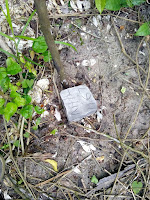
Marking of property boundaries is a very complex and highly specialized activity.   It is critical that boundaries be determined and marked accurately so it is clear where properties begin and end. Landowners need to know where property boundaries are. Without owners knowing boundary locations buildings could be on property lines, it could be difficult to meet set-back requirements, neighbours could build on the wrong side of the line, and safety problems could occur with construction over gas lines or other utility rights-of-way. Home Owner should beware of throwing away the survey Mark (pillars, Beacons etc.). If the survey Mark is just where that fence post should be — please build around it. The cost of replacing a survey marker could be as much as the cost of the fence, driveway or landscaping in the first place. Contractor should beware of damaging survey Marks Contouring, grading, fencing, road building and other work with heavy equipment is a common cause of dest...

Real Property Detail Survey

1.       What is a Real Property Detail Survey? A Real Property Detail Survey is a legal document that clearly illustrates the location of significant visible improvements relative to property boundaries. (Improvements to be shown and outlined) Over the years, the standards for Real Property Reports have changed. It takes the form of a plan or illustration of the various physical features of the property, including a written statement detailing the surveyor’s opinions or concerns. It can be relied upon by the buyer, the seller, the lender and the municipality as an accurate representation of the improvements on your property. 2.       Who need a Property Detail Survey? v   Property owners 3.       Why Property Detail Survey To be informed of: ·         The locations of improvements within the property boundaries, ·      ...

Building a Fence Without A Survey: Don’t Do It!

Image
§   Fencing Fences serve many functions. They can be constructed for security reasons, pet or child confinement, hazard control, by-law requirements and agricultural uses. Or, fences can be simply an architectural or aesthetic improvement to your property.   Fences are most often used to mark the boundaries of a property. Whenever fences are located on property boundaries they must be located properly to minimize the chance of causing legal issues that may be expensive to resolve. §   Tips for Locating Properties Boundary 1.     The easiest way to determine boundary locations is to hire a Registered Land Surveyor. 2.     If you know where your property boundary markers are you can mark the property line—there are often monuments (pillars or beacons) for other purposes, such as roadways, etc. Be absolutely certain that the right survey markers are used. 3.     Remember it is illegal to disturb or remove any survey...